

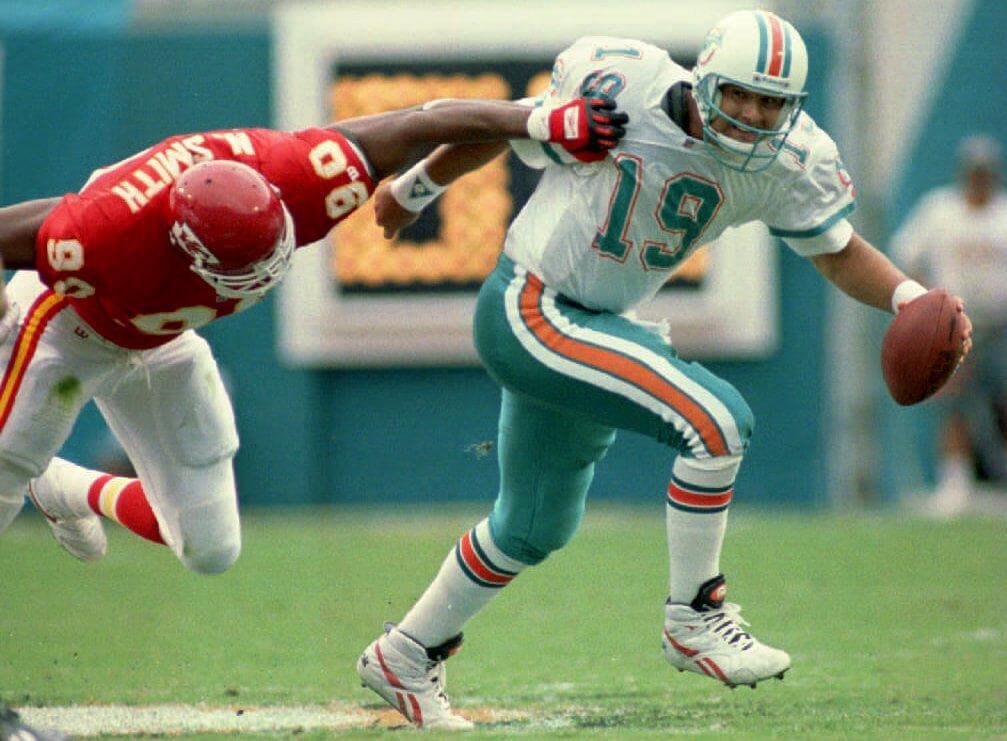
When football fans discuss quarterbacks from the 1990s, certain names immediately come to mind. However, one player who often deserves more recognition than he receives is Scott Mitchell. Known for his strong arm, towering frame, and memorable years with the Detroit Lions, Mitchell experienced both the highs and lows that come with life in professional football.
His journey was anything but ordinary. From backing up one of the greatest quarterbacks in NFL history to becoming one of the most talked-about free-agent signings of his era, Mitchell’s career was filled with challenges, expectations, and accomplishments. While critics often focused on what he did not achieve, his career statistics and impact tell a much more balanced story.
This article takes a deep look at Scott Mitchell’s life, football career, personal struggles, and lasting legacy. By the end, readers will understand why Mitchell remains one of the most fascinating figures from the NFL’s modern era.
Early Life and Childhood
Scott Mitchell was born on January 2, 1968, in Salt Lake City, Utah. Growing up in a sports-loving environment, he developed a passion for athletics at an early age. Like many future professional athletes, Mitchell spent countless hours playing sports and dreaming of competing at the highest level.
As a child, he displayed natural athletic ability. Football quickly became his favorite sport because it allowed him to showcase both his physical strength and competitive mindset. Standing taller than many of his peers, Mitchell naturally gravitated toward the quarterback position.
His family supported his athletic ambitions throughout his youth. Coaches and teammates recognized his potential early, noting his leadership qualities and impressive throwing ability. These traits would eventually help him earn opportunities at higher levels of competition.
During his high school years at Springville High School in Utah, Mitchell established himself as a talented athlete. His performances on the field attracted attention from college recruiters who believed he had the tools necessary to succeed at the next level.
Those formative years laid the foundation for a football career that would eventually reach the NFL.
College Football Success at Utah
Mitchell continued his football journey at the University of Utah, where he became one of the most productive quarterbacks in school history.
College football provided him with the opportunity to develop his skills against stronger competition. He worked tirelessly to improve his mechanics, decision-making, and understanding of the game. Coaches appreciated his dedication and willingness to learn.
His breakthrough came when he earned the starting quarterback role. Mitchell produced impressive numbers and quickly gained national recognition. During one remarkable season, he led the nation in several passing categories, demonstrating that he could compete with the best quarterbacks in college football.
Beyond statistics, Mitchell showed leadership qualities that teammates respected. He remained calm under pressure and consistently put his team in positions to succeed. His performances attracted NFL scouts who viewed him as a quarterback with significant potential.
By the time he completed his college career, Mitchell had established himself as one of the most accomplished players in Utah football history. His success paved the way for the next chapter of his football journey.
Entering the NFL
The dream of playing professional football became reality when Mitchell was selected by the Miami Dolphins in the 1990 NFL Draft. Being drafted into the NFL represented the culmination of years of hard work and sacrifice.
However, his situation in Miami presented a unique challenge. The Dolphins already had one of the greatest quarterbacks ever to play the game, Dan Marino. This meant Mitchell would begin his career as a backup rather than an immediate starter.
While some young quarterbacks might have become frustrated, Mitchell embraced the opportunity. Learning from Marino allowed him to observe elite-level preparation, leadership, and game management. Those lessons would prove invaluable later in his career.
During his early years with Miami, Mitchell spent much of his time developing behind the scenes. He studied game film, refined his technique, and prepared himself for any opportunity that might arise.
Although he wasn’t yet a household name, Mitchell was steadily growing into a quarterback capable of leading an NFL team.
The Breakthrough Opportunity in Miami
Every NFL player hopes for an opportunity to prove themselves, and Mitchell received his chance during the 1993 season when Dan Marino suffered a serious injury.
Suddenly, Mitchell was thrust into the spotlight. The responsibility of replacing a future Hall of Famer was enormous, and many doubted whether he could handle the pressure. Yet Mitchell responded admirably.
He led Miami to a winning record as a starter and demonstrated that he possessed the skills necessary to succeed in the NFL. His performances showed confidence, toughness, and an ability to make big plays when needed.
NFL executives across the league took notice. Teams searching for a franchise quarterback began viewing Mitchell as a valuable asset. His success as Marino’s replacement transformed him from an unknown backup into one of the most sought-after players in professional football.
Those strong performances ultimately changed the course of his career and opened the door to a major free-agent opportunity.
Joining the Detroit Lions
In 1994, Mitchell signed with the Detroit Lions as a free agent. At the time, the contract was considered significant and reflected the organization’s belief that he could become their long-term answer at quarterback.
The expectations were enormous. Detroit already featured one of the greatest running backs in football history, Barry Sanders. Many believed that adding a talented quarterback could transform the Lions into championship contenders.
Mitchell arrived in Detroit carrying both excitement and pressure. Fans expected immediate success, while media attention intensified because of the financial investment the team had made.
Unfortunately, injuries limited his first season with the Lions. Despite the setback, the organization remained confident in his abilities and viewed him as a key part of their future plans.
The stage was set for Mitchell to prove himself as a franchise quarterback.
The Incredible 1995 Season
The 1995 season became the defining year of Mitchell’s career.
After recovering from injury, he delivered one of the best quarterback seasons in Detroit Lions history. Mitchell threw for 4,338 yards and 32 touchdowns while helping lead the team to a successful campaign. At the time, both figures established franchise records.
His chemistry with talented receivers created a dynamic passing attack. Defenses often struggled to contain Detroit’s offensive weapons, and Mitchell consistently took advantage of favorable matchups.
The season demonstrated exactly why the Lions had invested in him. He displayed excellent arm strength, improved decision-making, and the ability to perform in crucial moments.
Even years later, many fans remember 1995 as the peak of Mitchell’s professional career. It remains one of the most productive seasons ever recorded by a Detroit quarterback.
Challenges and Criticism
Despite his success, Mitchell’s time in Detroit was not without controversy.
Professional athletes often face intense scrutiny, and Mitchell experienced this reality firsthand. Because of his large contract and the team’s championship aspirations, expectations remained extremely high. Whenever the Lions fell short, criticism frequently landed on their quarterback.
Some observers argued that Mitchell never fully justified the investment Detroit made in him. Others believed he performed better than critics acknowledged. The debate continues among football fans even today.
One challenge was consistency. While Mitchell produced impressive statistical seasons, injuries and team struggles sometimes prevented sustained success. Football is ultimately a team sport, yet quarterbacks often receive disproportionate blame when things go wrong.
Mitchell has spoken publicly about feeling unfairly blamed for some of the Lions’ shortcomings during that era. He maintains that many factors contributed to the team’s inability to reach a Super Bowl.
Later NFL Career
Following his years in Detroit, Mitchell’s NFL journey continued with several other organizations.
He played for the Baltimore Ravens and later joined the Cincinnati Bengals. By this point in his career, he had transitioned from franchise quarterback to experienced veteran.
Veteran quarterbacks provide value beyond statistics. Their knowledge, leadership, and experience can help younger players develop and improve. Mitchell embraced these responsibilities as his career progressed.
Although he never replicated the statistical success of his 1995 season, he remained respected within NFL circles. His longevity reflected both talent and professionalism.
When his playing days eventually ended, Mitchell could look back on a career spanning more than a decade in one of the world’s most competitive sports leagues.
Life After Football
Retirement often presents significant challenges for professional athletes. The transition from the structured environment of professional sports to everyday life can be difficult.
For Mitchell, life after football included various business ventures, media appearances, and personal projects. Like many former athletes, he had to redefine his identity beyond the game that had shaped much of his life.
One of the biggest adjustments involved maintaining health and fitness. The demands of professional football had previously kept him active and focused on physical conditioning.
Mitchell remained connected to football through commentary, interviews, and discussions about the game. His experience as a quarterback provided valuable insight into modern NFL developments.
Retirement also gave him more time to focus on family and personal growth, allowing him to pursue interests outside of sports.
The Biggest Loser and Personal Transformation
One of the most public chapters of Mitchell’s post-football life involved his appearance on the television show The Biggest Loser.
After retirement, Mitchell struggled with weight gain. At one point, he weighed more than 360 pounds, creating serious health concerns. He recognized the need for change and decided to take action.
Participating in the show required tremendous discipline and determination. Mitchell committed himself to improving his health and making lasting lifestyle changes.
His transformation inspired many viewers. He lost a significant amount of weight and demonstrated that meaningful change is possible regardless of age or circumstances. Reports indicate that he shed more than 120 pounds during the process.
More importantly, the experience highlighted Mitchell’s resilience. Just as he had faced challenges on the football field, he approached personal obstacles with courage and determination.
Scott Mitchell’s Legacy
Evaluating Mitchell’s legacy requires looking beyond simplistic narratives.
While he may not have reached the Hall of Fame or won a Super Bowl, he enjoyed a successful NFL career that many players can only dream about. scott mitchell He started games, led playoff teams, and produced some of the best statistical seasons in Detroit Lions history.
His 1995 campaign remains a significant part of Lions history. For many years, his franchise records stood as benchmarks for future quarterbacks. Only later were some of those achievements surpassed.
Mitchell’s story also illustrates the realities of professional sports. Talent alone does not guarantee championships, and public perception often differs from reality. His career demonstrates how expectations can shape the way athletes are remembered.
Today, football historians generally view him as a talented quarterback who experienced both notable success and significant challenges throughout his career.
Final Thoughts
Scott Mitchell’s journey is one of perseverance, opportunity, achievement, and personal growth. From his early days in Utah to NFL stadiums packed with fans, he consistently demonstrated determination and resilience.
His career included memorable moments, record-setting performances, playoff appearances, and the pressure that comes with being a highly paid quarterback. While opinions about his playing career may vary, there is little doubt that he left a meaningful mark on the teams he represented.
Beyond football, Mitchell’s willingness to confront personal challenges and improve his health added another dimension to his story. His transformation showed that success is not limited to athletic accomplishments.
Ultimately, Scott Mitchell’s legacy is about more than statistics. It is the story of a player who embraced challenges, persevered through criticism, and built a career that remains worthy of recognition decades later. For NFL fans and sports enthusiasts alike, his life serves as a reminder that every athlete’s journey contains far more depth than what appears on the scoreboard.
